Data science and analytics: a practical primer for hiring and freelance projects
 Mark Petrenko
 What people mean by "data science and analytics"
If you search for data science and analytics you’re usually trying to understand what those terms cover and whether you need one, the other or both for a project. In plain terms: data analytics is about examining existing data to answer questions; data science is broader and builds models, automations and systems that predict or drive decisions.
Quick definitions:
- Data analytics: examining structured data to describe what happened or why. Common goals are reporting (descriptive), root-cause checks (diagnostic), short-term forecasts (predictive) and recommendations (prescriptive).
- Data science: a wider discipline that includes analytics but also creates predictive models, machine-learning prototypes and automated processes. It often handles larger or unstructured datasets and produces code or systems, not just charts.
Everyday example: a coffee shop uses analytics to track daily sales and see which hours are busiest. A data scientist would use that same data plus supplier and weather information to build a model that predicts inventory shortages and recommends reorder quantities automatically.
How data science and analytics differ — and how they work together
A simple one-line way to think about the difference: analysts interpret existing data; data scientists build models and systems to predict or automate decisions. They overlap heavily, and many organisations treat analytics as a component inside the data-science umbrella.
Practical hiring signals:
- If you need dashboards, routine reports or a one-off investigation, a data analyst is usually the right choice.
- If you need a predictive model, product-facing feature, recurring automation or work with messy/unstructured data, hire a data scientist.
Compare typical goals, skills and outputs:
- Goals: analysts focus on insight and reporting; data scientists focus on prediction, automation and prototypes.
- Skills: analysts often specialise in SQL, spreadsheets and BI tools; data scientists add statistical modelling, scripting and machine-learning frameworks.
- Timelines and outputs: analysts deliver dashboards and short reports in days–weeks; data science work (models, pipelines) often takes weeks–months and needs iteration and validation.
Common techniques and deliverables clients and freelancers should expect
When you hire for data analytics and science, common deliverables are practical and handover-focused. Ask for the items below when writing a scope.
- Executive summary — a short, non-technical one-page summary of findings and recommended next steps.
- Cleaned dataset and data cleaning log — the processed file(s) plus a short log of the cleaning steps and assumptions.
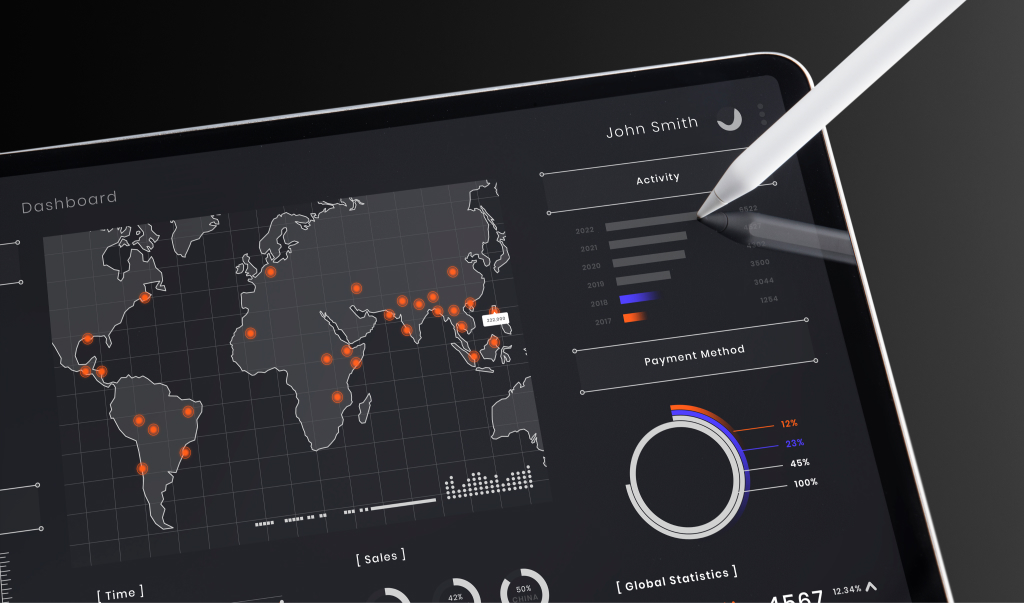
- Interactive dashboard — a live dashboard (Tableau, Google Data Studio, Power BI) or a reproducible notebook that stakeholders can use. For ideas about visualising results, see the Swaplance piece on data visualisation for business.
- Scripts or notebooks — reproducible code so someone else can re-run the analysis.
- Simple model with explanation — if modelling is needed, ask for a readable explanation of what the model does, its limitations, and a basic test set evaluation.
- Handover notes — clear instructions for maintenance, data refreshes and who to contact for follow-up.
Practical tip: always ask for sample data, explicit acceptance criteria (for example: "dashboard counts must match the source report for a random month"), and reproducible outputs — not just screenshots.
Typical freelance projects, pricing signals, and how to scope them
If you’ve decided to hire a freelancer, use one of these project templates to turn your needs into a clear brief. Each template lists a suggested timeline and example acceptance tests you can copy into a job post.
1) One-off analysis & report
Scope: single business question, one dataset, delivered as a 2–3 page report and a short slide deck. Timeline: 1–2 weeks. Acceptance test: key metrics in the report match the supplied source data and the freelancer provides the cleaned dataset and a short methods note.
2) Dashboard and reporting setup
Scope: connect 1–3 data sources, build an interactive dashboard with defined charts, and document refresh steps. Timeline: 2–4 weeks. Acceptance test: dashboard data aligns with source exports and scheduled refresh works in the client environment.
3) Predictive model prototype
Scope: exploratory modelling to predict a single outcome (churn, demand, lead score), with a simple performance report and a reproducible notebook. Timeline: 4–8 weeks. Acceptance test: model achieves agreed evaluation metric on a hold-out sample and the freelancer hands over code and a README explaining deployment needs.
4) Data pipeline cleanup
Scope: audit and fix ETL issues, document data quality rules, and deliver monitoring checks. Timeline: 2–6 weeks. Acceptance test: defined data quality checks pass on a validation dataset and documentation is provided for future runs.
Pricing signals: use fixed-price for well-scoped dashboard or reporting projects and hourly or milestone-based billing for exploratory modelling or pipeline work where scope may change. Specific local rates vary — TODO: add up-to-date numbers for your region.
Turn these templates into a Swaplance job post by including the data access details, acceptance tests and milestones — that helps freelancers give accurate bids and timelines.
How to hire or work with a freelancer (and where Swaplance fits in)
Getting a smooth outcome is mostly about clear expectations and regular communication. Here’s a short hiring checklist you can use when reviewing proposals.
- Ask for relevant past projects or portfolio links and at least one brief case study.
- Request a short technical approach that explains how they would tackle your data and the expected deliverables.
- Require a timeline with milestones and explicit acceptance criteria for each milestone.
- Confirm communication preferences, availability and the tools they’ll use for sharing work.
Sample interview questions:
- "How would you approach cleaning this dataset and what assumptions would you check first?"
- "Show an example of a dashboard you built and explain why you chose those charts and filters."
- "How would you validate and hand over a predictive model so someone else can deploy it?"
Swaplance helps by matching you with vetted data professionals and managing milestones and payments so you can focus on requirements and outcomes instead of admin. If you’re unsure how to phrase a brief, see guidance on crafting a winning freelance proposal to improve your job post and evaluate bids.
Final practical advice: start small where possible (a short discovery or pilot), require reproducible outputs, and build trust through clear milestones and an acceptance test for each deliverable.
Common questions
-
What is the difference between a data analyst and a data scientist?A data analyst focuses on interpreting existing, structured data to produce reports, dashboards and investigations. A data scientist builds predictive models, automations and prototypes that often require more complex data handling and iterative validation; the roles overlap but differ in scale and tooling.
-
How do I know whether my project needs data analysis or a predictive model?If you only need insights, reporting or a one‑off investigation, a data analyst will usually suffice. If you need ongoing predictions, automation, or product features that use data to make decisions, you’ll likely need a data scientist who can develop and validate a model.
-
What should I include in a job brief to get accurate proposals from freelancers?Include your business question, sample data or a data schema, required deliverables, acceptance criteria (how you’ll test outputs), timeline and any technical constraints or tools you prefer. Clear milestones and a note about communication frequency will help freelancers price and plan their work.
-
How long does a typical dashboard or predictive-model project take?A dashboard or reporting setup commonly takes 2–4 weeks when data sources are accessible and scope is clear. A predictive-model prototype usually takes 4–8 weeks because it requires data exploration, feature testing and validation; timelines vary with data quality and complexity.